
Introduction to Sudoku
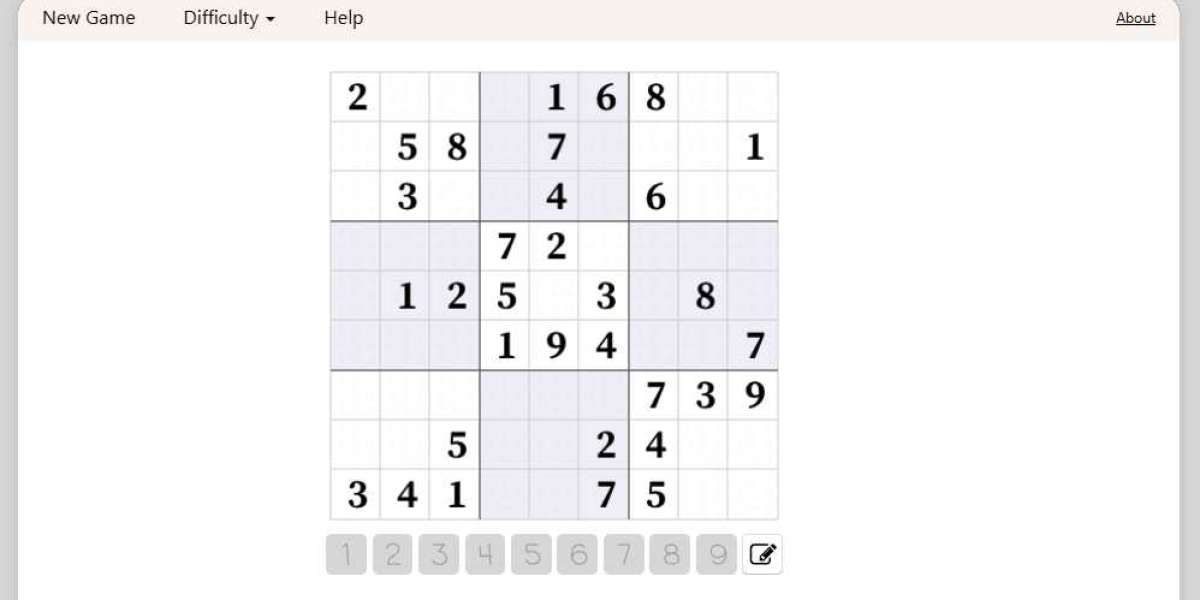
Sudoku is one of the most popular logic puzzles in the world. Millions of people enjoy Sudoku every day because it combines entertainment, concentration, and mental exercise in a simple format. A standard Sudoku puzzle consists of a 9x9 grid divided into nine smaller 3x3 sections. The objective is straightforward: fill every empty cell with a number from 1 to 9 while ensuring that no number repeats in any row, column, or 3x3 section.
The appeal of Sudoku comes from logic rather than mathematics. Even though numbers appear throughout the puzzle, arithmetic is not required. Success depends on observation, deduction, and pattern recognition. This accessibility makes Sudoku suitable for players of all ages and skill levels.
Why Sudoku Remains Popular
Easy Rules and Endless Challenges
One reason behind the lasting popularity of Sudoku is the simplicity of the rules. New players can learn the basics within minutes. At the same time, advanced puzzles can challenge experienced enthusiasts for hours.
The combination of easy entry and increasing complexity creates an engaging experience. Players can begin with beginner puzzles and gradually move toward difficult and expert-level challenges. This progression keeps Sudoku fresh and rewarding.
Suitable for All Age Groups
Sudoku appeals to children, adults, and seniors. Young players can develop logical thinking skills, while adults often use Sudoku as a relaxing activity during breaks. Older individuals may enjoy Sudoku as a way to maintain mental activity and cognitive engagement.
The puzzle requires focus and patience, qualities that can be strengthened through regular practice. Because Sudoku does not depend on language skills, it can be enjoyed across different cultures and regions.
How Sudoku Works
Understanding the Grid
A traditional Sudoku puzzle contains 81 cells arranged in a square grid. Some cells already contain numbers when the puzzle begins. These numbers act as clues that guide the solving process.
The player must fill all remaining cells according to three essential rules:
Each row must contain numbers from 1 to 9 without repetition.
Each column must contain numbers from 1 to 9 without repetition.
Each 3x3 section must contain numbers from 1 to 9 without repetition.
Following these rules allows only one correct solution for a properly designed Sudoku puzzle.
Basic Solving Techniques
Many beginners assume Sudoku relies on guessing, but logical reasoning is the key to success. Several common techniques help solve puzzles efficiently.
The first technique involves scanning rows and columns to identify missing numbers. By checking surrounding cells, players can often determine the correct placement.
Another useful approach is elimination. When several possible numbers exist for a cell, players can remove impossible options based on nearby numbers. As more cells become filled, the remaining choices become clearer.
Consistency and patience are often more valuable than speed, especially when learning Sudoku strategies.
Benefits of Playing Sudoku
Improved Concentration
Sudoku encourages sustained attention. Solving a puzzle requires careful observation and continuous evaluation of possibilities. This process helps train the mind to focus on a specific task for an extended period.
Regular practice may support stronger concentration skills in daily activities such as studying, reading, and professional work.
Enhanced Logical Thinking
Every Sudoku puzzle presents a logical challenge. Players analyze information, identify patterns, and make decisions based on evidence. These actions strengthen reasoning abilities and problem-solving skills.
Logical thinking developed through Sudoku can also support decision-making in various real-life situations.
Mental Relaxation
Although Sudoku can be challenging, many players find it relaxing. Focusing on a puzzle provides a temporary escape from daily stress and distractions. The structured nature of Sudoku creates a calming experience that encourages mindfulness and mental clarity.
For many people, completing a puzzle brings a satisfying sense of accomplishment and progress.
Different Types of Sudoku
Classic Sudoku
Classic Sudoku remains the most widely recognized version. It follows the traditional 9x9 format with standard rules. Newspapers, puzzle books, and online platforms commonly feature this variation.
Classic Sudoku is often the starting point for new players and continues to attract experienced enthusiasts.
Mini Sudoku
Mini Sudoku uses smaller grids, such as 4x4 or 6x6 layouts. These puzzles can be completed more quickly and are ideal for beginners or players with limited time.
Despite the reduced size, Mini Sudoku still requires logical thinking and careful analysis.
Killer Sudoku
Killer Sudoku introduces additional constraints through outlined groups of cells. Each group has a target sum that players must achieve while still following standard Sudoku rules.
This variation combines logical deduction with numerical reasoning, creating a unique challenge.
Samurai Sudoku
Samurai Sudoku features multiple overlapping grids connected in a larger puzzle structure. Solving this format requires attention to several sections simultaneously.
Many advanced players enjoy Samurai Sudoku because of the increased complexity and extended solving experience.
Strategies for Better Sudoku Performance
Start With Obvious Placements
Successful Sudoku solving often begins with the easiest opportunities. Filling cells with only one possible value creates momentum and reveals additional clues.
Completing straightforward placements first can simplify more difficult sections later in the puzzle.
Focus on One Section at a Time
Examining a single row, column, or 3x3 section can make complex puzzles feel more manageable. Concentrated analysis often reveals hidden patterns that may be overlooked when viewing the entire grid at once.
This systematic approach reduces mistakes and improves efficiency.
Practice Regularly
Like many skills, Sudoku improves with practice. Frequent puzzle solving helps players recognize common patterns and develop stronger logical instincts.
Over time, experienced players become more confident and capable of solving challenging puzzles without relying on trial and error.
Digital Sudoku and Modern Accessibility
The rise of digital technology has made Sudoku more accessible than ever. Numerous websites and mobile applications offer puzzles across a wide range of difficulty levels. Many platforms provide hints, tutorials, and progress tracking features that support learning and improvement.
Online Sudoku also allows players to compete against personal records or participate in global leaderboards. These features add motivation and encourage consistent engagement.
The availability of digital puzzles means Sudoku can be enjoyed almost anywhere, whether during a commute, lunch break, or relaxing evening at home.
Conclusion
Sudoku remains one of the most engaging logic puzzles available today. Its simple rules, intellectual challenge, and broad accessibility have contributed to worldwide popularity. From improving concentration and logical reasoning to providing relaxation and entertainment, Sudoku offers benefits that extend beyond puzzle solving.
Whether solving a beginner grid or tackling an advanced challenge, Sudoku provides an enjoyable way to exercise the mind. Regular practice can enhance problem-solving abilities, sharpen focus, and deliver a rewarding sense of achievement. For anyone seeking a fun and meaningful mental activity, Sudoku continues to be an excellent choice.