


Fee Simple - Most real estate is owned "in charge simple" which is a very old term that means outright ownership of land (subject to any mortgages or liens). Someone who owns residential or commercial property in charge simple might offer it, offer it away, or dispose of it on death by will or the laws of inheritance. Every deed develops a charge simple in the brand-new owner unless a various intent is plainly specified. Fee simple is so typical, that the term barely ever appears in legal documents.
Mortgage - You continue to own your residential or commercial property even if there is a mortgage on it. Your lender has a security interest in the residential or commercial property however does not own it. Neither is your deed held as security till you pay off your mortgage.

Life Estate - Another ancient ownership principle that stays in usage today is the life estate which is ownership measured by someone's life. A life estate is often utilized in estate preparation to make sure that a parcel of real estate passes to another upon the death of the owner without the need for probate. The following language in a deed produces a life estate: "MOTHER grants the residential or commercial property to MOTHER for her life and after that to SON." Mother owns the residential or commercial property for as long as she is alive but the instant she dies, boy instantly ends up being the owner.
Trusts - The essence of a trust is divided ownership. The trustee holds "legal title" while the recipient holds "beneficial title." Simply put, the trustee owns the residential or commercial property for the advantage of the recipient. The purpose of the trust and the powers of the trustee are set out in a document called a Statement of Trust which may be recorded at the pc registry of deeds. People produce trusts for many factors. Some are utilized to pass residential or commercial property from one generation to another without probate; others are used for financial investment purposes or to limit liability. Remember, the trust does not own residential or commercial property; the trustee does.
Joint Ownership - Residential or commercial property is typically owned by more than one individual. There are three types of joint ownership of property in Massachusetts. In all 3, each owner can have the whole residential or commercial property topic to a comparable right held by co-owners. The major distinction among the three types of joint ownership is what occurs when a co-owner dies.
Tenants in Common - When one occupant in common dies, his share of the residential or commercial property travels through his probate estate. If a deed to more than someone does not specify the type of joint occupancy, it produces a tenancy in typical.
Joint Tenants - When one joint occupant passes away, the surviving joint tenant immediately owns the whole residential or commercial property. This is said to be a "right of survivorship." A deed to two or more people need to define that they hold the residential or commercial property "as joint tenants" to produce a joint occupancy.
Tenants by the Entirety - Tenants by the totality is a kind of joint ownership that is restricted to married couples. A tenancy by the totality has a right of survivorship so when one owner dies, the survivor instantly owns the whole residential or commercial property. A tenancy by the entirety likewise provides some protection for one spouse versus the creditors of the other partner. A deed to two people who are wed should specify that they hold the residential or commercial property "as tenants by the entirety" to create an occupancy by the totality.
Deeds
A deed is not an artifact that gets passed from one owner to the next. Instead, each time there is a change in ownership, a new deed should be developed, performed, and provided to the brand-new owner. Because way, a deed is like a check. If someone owes you $100, they sign their check and provide it to you. You now have $100. If you wish to consider that $100 to somebody else, you sign your own check and provide it to somebody else. Deeds work the exact same way.
Add a name to a deed - Many individuals come to the pc registry of deeds and state "I desire to add a name to my deed." That is not how property law works. The expression "add a name to a deed" describes transferring an interest in residential or commercial property to another person. So, if Mother desires to "add" Daughter's name to her deed, she would develop and perform a brand-new deed that stated MOTHER grants the residential or commercial property to MOTHER and DAUGHTER.
Remove a name from a deed - If the individual whose name is to be "gotten rid of" is still alive, he must sign a brand-new deed as explained in "include a name to a deed" above. For example, if mother and child owned residential or commercial property jointly however they desired mother to be the sole owner of the residential or commercial property, they would create and perform a brand-new deed that stated MOTHER and DAUGHTER grant the residential or commercial property to MOTHER. Daughter could likewise sign a deed that merely moved her interest in the residential or commercial property to mother, however then the evidence of mom's ownership would come from 2 deeds: the original one to her and child and after that daughter's to her. It would be best for mom to reveal ownership originating from a single deed rather than from 2.
Remove decedent's name from a deed - If the person whose name is to be "eliminated" has died, there is a different process which is explained in the DEATH area below.
Essential Elements of a Deed
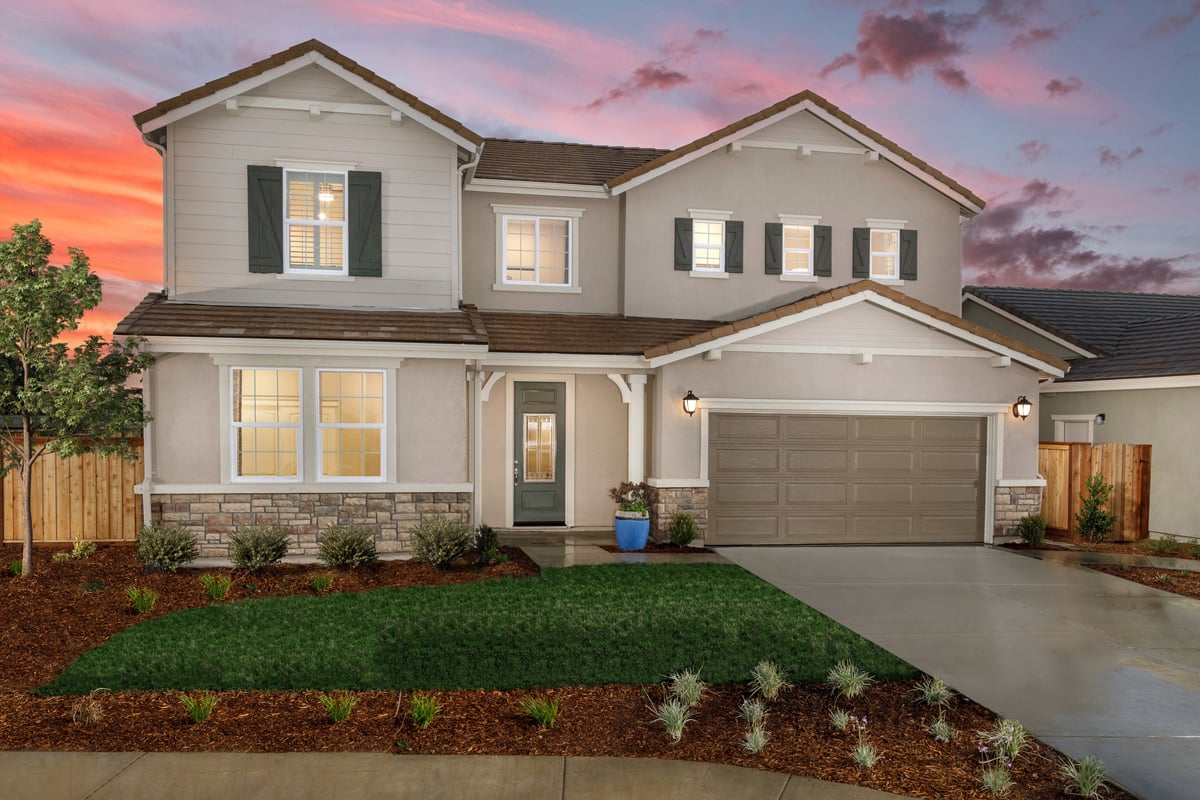
Whether you are selling a home or just making a member of the family a co-owner of your existing home, you still need a brand-new deed. Because realty law is so complex and because the asset involved- a house- is so valuable, we strongly urge you to HIRE AN ATTORNEY to prepare the new deed. There are no blank deed kinds offered and the windows registry of deeds can not offer you with legal advice.
To offer property in Medieval times, the parties to the transaction would go the land where the seller would get a stick hand it to the purchaser. This symbolized the "shipment" of ownership. This act of delivery is still an essential element of the sale of realty, only instead of a twig, the seller delivers a deed to the buyer. In addition to the shipment requirement, a deed should be in writing and signed by the person communicating the residential or commercial property.
According to Eno and Hovey, Real Estate Law with Forms, a basic Massachusetts realty deed includes the list below aspects:
Grantor - The name of the person/persons/entity moving an ownership interest in the residential or commercial property;
Grantee - The name of the person/persons/entity receiving an ownership interest. When the residential or commercial property is being moved to more than one individual, the type of joint ownership (i.e., occupants in common, joint occupants, occupants by the totality) need to be specified. The mailing address of the beneficiary must be defined so the town assessor can send by mail residential or commercial property tax costs to the correct address;
Consideration - The amount being spent for the residential or commercial property. If the transfer is a present or if there is no monetary factor to consider, the consideration on the deed is specified as ONE ($1.00) DOLLAR;
Words of Grant - Language that clearly expresses the grantor's intent to communicate title to the beneficiary;
Covenants - The promises relating to the state of the title given (i.e., "with quitclaim covenants");
Residential or commercial property Description - The land being conveyed should be explained "with such particularity as to make it capable of identification." At a minimum, the description needs to consist of the town in which the land is situated, and must either recognize the land as a particular lot on a recorded strategy or consist of a "metes and bounds" description of the parcel, usually carried forward from the previous deed in the chain of title. The street address by itself is not an adequate legal description;
Title Reference - A declaration determining how the grantor ended up being the owner of the residential or commercial property (typically the date and book and page variety of the prior deed in the chain of title);
Residential or commercial property Address - The street address and town of the residential or commercial property need to be composed in the left margin of the deed so that town assessors can recognize the residential or commercial property in their records;
Date of Execution - The date the deed is signed;
Grantor Signature - The signature of the person/persons/entity communicating the residential or commercial property;

Acknowledgement - Grantor signature should be acknowledged by a notary public;
Recording - Once performed and acknowledged, a deed needs to be tape-recorded at the computer system registry of deeds. The filing fee for a deed is $155, payable by cash or check. If the factor to consider being paid is $500 or more, a deeds excise tax assessed at the rate of $2.28 per $500 is due at the time of recording.