

Foreclosure takes place when debtors do not pay the mortgage on a home they own, and their lending institution (generally, a bank) forces a sale of the residential or commercial property to cover the debt owed. A rental residential or commercial property foreclosure is a legal action against the owner of the residential or commercial property. The bank that is owed the mortgage, or a private or business can buy the residential or commercial property in foreclosure.
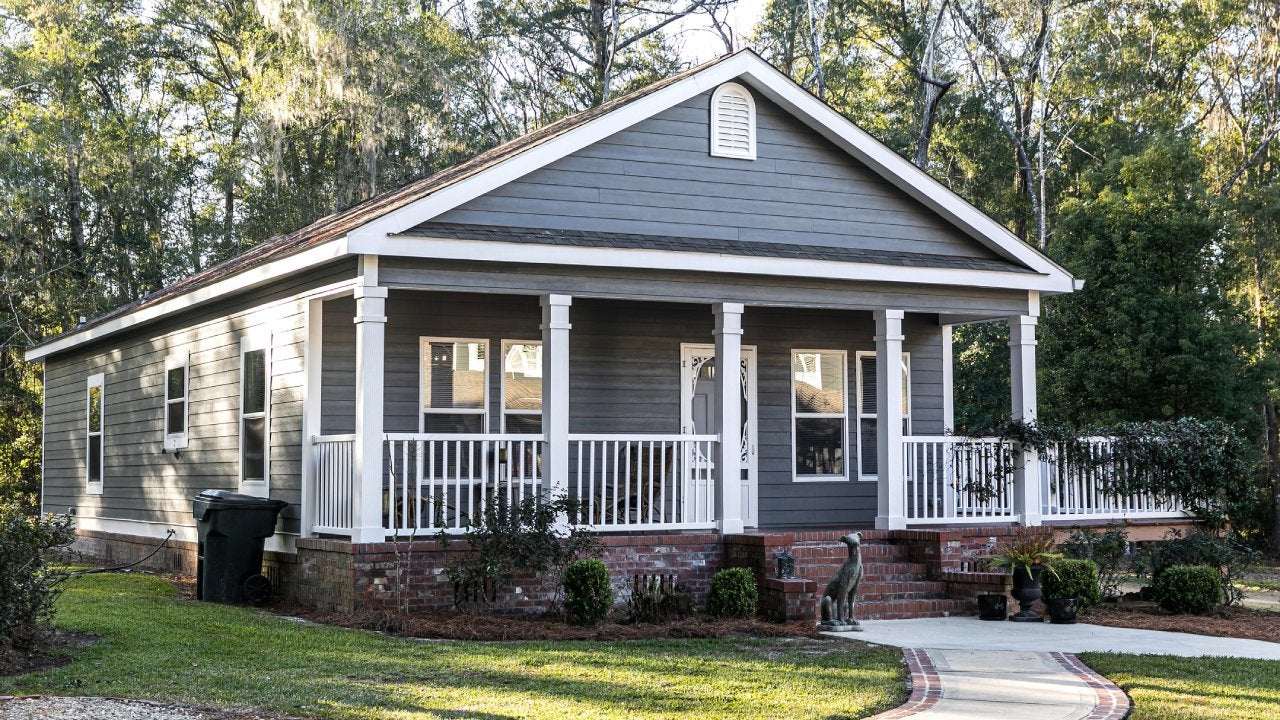
Tenants might not know that a foreclosure has actually been submitted on the residential or commercial property they are renting. Even if they discover that an ownership change is occurring due to the fact that of a foreclosure, renters might get lost in the legal shuffle and not know how to pay lease or who to contact when there's a repair concern, which can put their housing at threat. The federal Protecting Tenants at Foreclosure Act (PFTA) was enacted to assist safeguard occupants in this scenario.
When Does the PFTA Apply?
The PFTA applies to the majority of occupants when their property owners deal with foreclosure. The PFTA uses to all houses, consisting of single systems and multi-unit residential or commercial properties, and subsidized residential or commercial properties. And the law applies to tenants with any type of tenancy.
The PTFA does NOT apply to a renter if:
- the occupant is the person whose name is on the mortgage (this is uncommon, a lease is different than the mortgage).
- the occupant is the spouse, parent, or kid of the individual whose name is on the mortgage.
- the rental agreement is not the outcome of an arm's length transaction (example: the tenant and property manager had a personal, monetary, or business relationship prior to participating in the lease).
- the lease is well listed below market rate, unless the rent is reduced since it is subsidized

How Do You Figure Out if a Foreclosure is Happening?

Below are 3 choices for finding out more details about whether a foreclosure has been submitted on the residential or commercial property you are living in.
1. Call your county Register of Deeds.
2. Use the Wisconsin Court's public online records (CCAP). Find out the legal name of the individual or entity that owns the residential or commercial property. Your lease may have the proper name of the person who owns it, but another way to learn the legal name of the titleholder is to search on your city assessor's office/online lookup. Use that details to search on CCAP. Click "I agree" and then plug in either the personal name of the owner (under "party name") or business name of the organization that owns the residential or commercial property (under "organization name"). The city assessor's website has different methods to determine the residential or commercial property (parcel number, legal description, street address), so utilize the assessor's information to comb through all that while considering what might be on CCAP.
3. Go to the Register of Deeds office at the City-County Building in Room 110, 210 Martin Luther King Jr. Blvd. Madison, WI. Staff should be able to help you identify if the residential or commercial property is in foreclosure.
4. The sheriff keeps records for upcoming sales on this page.
What Are My Rights as a Renter After a Foreclosure?
The PFTA requires the brand-new owner (the owner who buys the residential or commercial property in the foreclosure) to supply the tenant with at least 90 days' notification before requiring the tenant to leave, or, if the lease term extends beyond 90 days, allow the tenant to remain in the unit for the lease term.
If the new owner will be living in the residential or commercial property, the new owner can terminate the lease with 90 days' notice even if the lease term extends beyond 90 days.
Tenants with a Section 8 Housing Choice Voucher have additional rights under the PFTA. They might have the ability to remain in the unit under the existing lease and the brand-new owner is required to continue the housing help payment contract. Transfer of ownership after a foreclosure is not excellent cause for ending an Area 8 lease.
Foreclosure is not a valid factor for forcing out an occupant. But a renter can be evicted if they do not pay lease or adhere to the other requirements under the lease.
The property owner continues to be accountable for repair work up until the residential or commercial property is offered in the foreclosure. Once offered, the brand-new owner should is accountable for repair work and gathering rent. Within 10 days of ending up being the new owner, the brand-new owner needs to supply to the tenant, in writing, the name and address of the individual responsible for gathering lease and making repair work.

Do I Still Need to Pay Rent?
Yes. If occupants stop paying their rent on time while their property owner is facing foreclosure or after the foreclosure, the initial or new owner might submit an eviction.
Do I Pay Rent to My Landlord or the Bank?
Tenants are obliged to pay lease to the legal owner of their residential or commercial property unless a court has said that the occupant should pay lease to another person (for instance, a "receiver"). Tenants are accountable for knowing who this is and paying rent to the right person. The easiest method for an occupant to identify a residential or commercial property's present owner is to contact their city assessor.
If there's a dispute between the bank and property manager or you are unsure who to pay, you can write a letter to everyone included, including the judge in charge of the foreclosure case, telling them how you are paying rent (or information your attempts to pay rent) and to who, and why. You ought to include copies of any crucial documents and keep a copy.

If you are not able to call the owner who you think you must be paying rent to, make certain to include that details in the letter and keep the lease owed in an account so that it can be paid completely when the owner or the court gives you the info on how to pay lease.
After Foreclosure, How Will I Know Who My New Landlord Is?
In Wisconsin, when a rental residential or commercial property modifications owners, the new owner has 10 days to alert occupants in writing of the names and addresses of the individuals who will gather lease and are accountable for repair work and upkeep of the residential or commercial property. Wis. Stat. 704.09( 3 ), ATCP 134.04( 1 )( b).
If your proprietor is foreclosed on, you will get this letter after the "date of verification sale." This is the term for the date when the sale of a residential or commercial property in foreclosure is made last in court.
Can I Use My Down Payment for Last Month's Rent?
No, not unless you and your landlord enter into a composed arrangement that permits you to utilize your down payment for the last month's rent. If you do not have a written agreement and keep your last month's rent, the proprietor may file an eviction action versus you.
When you leave, the individual who lawfully owns the residential or commercial property should follow all the laws about security deposits even if they didn't gather this cash from the old owner.
Can I Be Evicted During a Foreclosure?

While your proprietor's foreclosure isn't a legitimate factor to evict you, you can still be evicted for non-payment of lease or violating your lease.
Can I Move Before the Lease Ends or Remain In the Unit After the Foreclosure?
If you desire to move before the 90-day duration ends or before your lease ends, you can contact your property manager and ask if they will enter into a written agreement to mutually terminate the lease early. Similarly, if you desire to remain in the unit after the 90-day duration or your lease ends, you can contact the brand-new owner to ask about a renewal of your lease.
Can the Sheriff Force Me to Leave When I Haven't Received Any Notices?
After a residential or commercial property in foreclosure is sold, the court may not understand that tenants are living in the foreclosed residential or commercial property, and the property owner doesn't offer the tenant any notice when they require them to leave the residential or commercial property.
After foreclosure, the court might presume the previous owner occupies the residential or commercial property. The brand-new owner can ask for a "writ of assistance" to get rid of the previous owner. This is various from a "writ of restitution," which eliminates renters after a judgement of eviction. When the sheriff arrives to eliminate the previous owner, they might discover the renter instead. Tenants have various rights than the previous owner who had a foreclosure action submitted versus them. Only a writ of restitution granted by a judge or court commissioner after a judgment for eviction licenses a sheriff to get rid of an occupant.
You can describe the circumstance to the court, constable, and brand-new owner, and show them any important files such as your lease and evidence of lease payments. You might likewise desire to contact an attorney.
Here is a detailed overview of the foreclosure procedure:
1. The proprietor defaults on payment of a mortgage loan.
2. A foreclosure action is submitted in court by the bank.
3. The landlord has a defined variety of days to states a defense against the foreclosure filing.
4. Once that period is over, the court decides whether to accept or turn down the defenses to the foreclosure. If the court turns down these defenses, they get in a judgment of foreclosure. NOTE: This is not the same thing as selecting a new owner.
5. After the judgment of foreclosure, the property manager starts a "redemption duration" where they can pay back the quantity owed to the bank. During this time, the property manager might treat the default or offer the residential or commercial property, ending the foreclosure and enabling the proprietor to continue as owner. A redemption duration can be numerous months, depending on the kind of foreclosure submitted. NOTE: During the redemption duration, the landlord still collects rent and is accountable for repairs.
6. Once the redemption duration ends, if the property manager hasn't repaid the money, there is a constable's sale where the residential or commercial property is offered to a brand-new owner or (normally) to the bank that demanded foreclosure.
7. Once a residential or commercial property is offered, a hearing is scheduled to confirm the sale.
8. The confirmation of sale hearing occurs and, if the sale is verified, leads to the "date of verification sale." The title of the home is transferred at the hearing. The brand-new owner may be willing to accept a brand-new lease, however that is not needed.
9. The court may give the brand-new owner a "writ of support" in the confirmation of sale hearing in action # 8, which will allow the brand-new owner to go to the sheriff and have the previous owner eliminated if they reside in the residential or commercial property.
More detailed info about foreclosure and the PFTA is readily available in this Wisconsin Bar article.
-- * The Tenant Resource Center is not a law office and our personnel and volunteers do not offer legal suggestions. Nothing on our site or other materials makes up legal guidance. For assistance discovering a lawyer, have a look at our lawyer referral list.