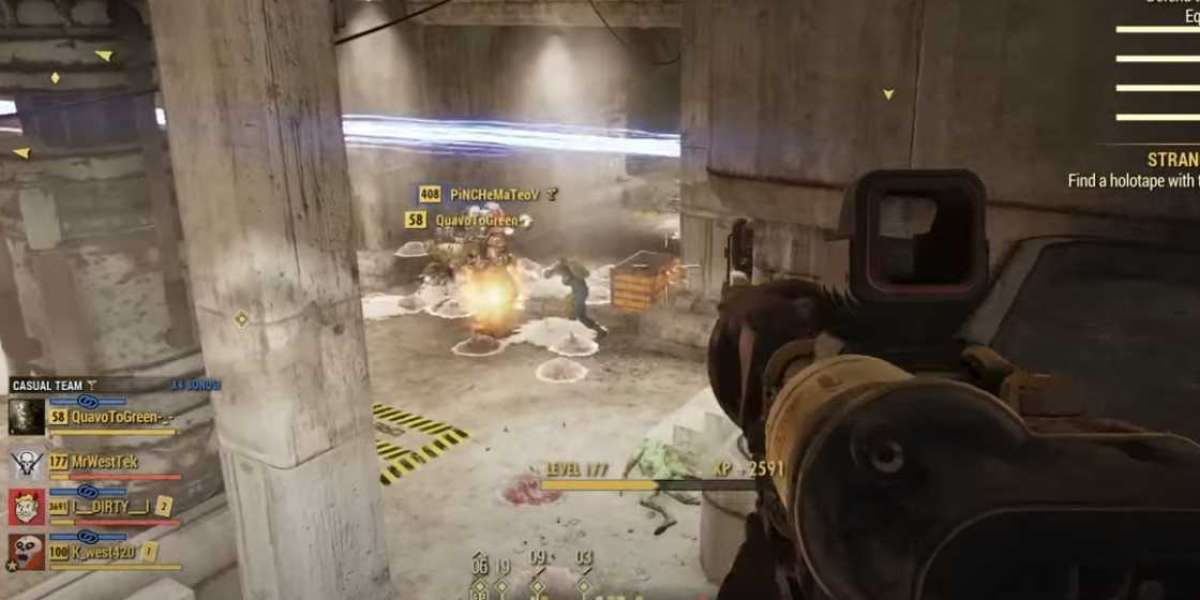

If you’ve spent more than a few hours wandering the hills of Appalachia, you already know one truth: junk isn’t really junk. Almost every busted toy, rusty pipe, and dented can you pick up can be turned into something genuinely useful. Crafting is one of the most flexible and rewarding systems in Fallout 76, but it can also feel a little overwhelming when you’re just starting out. Here’s a set of practical, player-friendly tips to help you squeeze every bit of value out of the scraps you collect.
Why Junk Matters More Than You Think
A lot of new players dump their junk early on simply because it looks worthless. But nearly every material feeds into a crafting path. Adhesive turns your weapons into late-game carry machines. Aluminum keeps your Power Armor from falling apart every time a Scorchbeast breathes on you. Even simple wood fuels your cooking and camp building. Once you realize how interconnected everything is, your mindset shifts: junk becomes power, literally.
Over time, you’ll also notice that certain drops feel like hidden treasures. Springs, screws, and gears are always in demand. Ballistic fiber and fiberglass are lifesavers for armor repairs. And if you care about modding your gear, you’ll eventually build habits around grabbing certain Fallout 76 items that break down into the rare stuff you constantly need. For me, it became almost automatic: desk fans, typewriters, and hot plates are must-loots.
Breaking Down Gear the Smart Way
Weapons and armor you don’t need can be as valuable as junk, because scrapping them unlocks mods. A trick I learned late was to scrap everything at least once before selling extras. Those early mod unlocks give you better customization options sooner, and they stack up fast.
When you’ve got multiple copies of the same weapon, check their condition and perks, then scrap the weaker ones. It’s a quiet, steady way of expanding your crafting toolkit. I always keep an eye out for pipe guns and low-tier melee weapons early game, because they’re cheap to repair and great for quick mod progression.
Managing Your Weight Without Losing Your Mind
Weight management is pretty much a shared pain across the community. Your stash box fills up quick, and nothing stings more than being overweight in the middle of a dangerous zone. A few habits help a lot:
Break down junk immediately when you reach a crafting bench. Raw materials weigh less than full junk pieces.
Learn what’s actually rare and what’s easy to find. Don’t hoard gear you can replace in minutes.
Keep your CAMP near a crafting area or place benches inside it so you always have a quick drop-off location.
Another tip: don’t feel bad about carrying only the essentials. Many players, especially in early levels, think they need a second and third weapon category at all times. But in reality, one good melee weapon and a decent ranged gun will get you far.
Finding the Best Sources of Valuable Scrap
If you’re aiming for consistent crafting progress, you’ll need reliable sources of components. Certain locations are absolute gold mines.
Factories and industrial sites offer lots of mechanical scrap, which usually means screws, gears, and springs. Office buildings often hide typewriters and desk fans. Even residential zones can surprise you with little household items full of adhesive or glass.
Public events are also a convenient way to farm materials while picking up XP and caps. Even if the loot isn’t exactly what you want, you’ll usually walk away with parts that break down into high-value resources. And in a pinch, salvaging gear from enemies is a fast way to stock up without diverting your journey.
When You’re Short on Resources
Sometimes the grind just catches up to you. Maybe you’re trying to build a Power Armor mod that chews through aluminum, or maybe you hit a long stretch without finding the adhesive you desperately need. Everyone hits that point at some stage.
If you prefer the fast route, some players turn to marketplaces when they’re short on materials. I’ve heard people mention places like U4GM as part of their routine, especially when they don’t have much playtime that week. It’s really up to how you balance your time and patience, but the game world itself gives plenty of ways to gather everything naturally if you’re willing to explore and farm a bit.
Building Efficient Crafting Habits
One of the best parts of Fallout 76 is how crafting ties into your playstyle. You can be a builder, a fighter, a scavenger, or a mix of everything. But habits make a huge difference. Here are a few that helped me:
Aim to tag components you need. It’s easy to miss useful junk when you’re speeding through buildings, but tagging turns your looting into a guided system. Check vendors frequently. They often restock ingredients like adhesive, aluminum, and acid. Use perk cards that support crafting. Super Duper is incredibly helpful for doubling your crafted items, and Scrapper increases the amount of rare components you get. And if you ever need very specific gear to break down, some players look to Fallout 76 items buy options to shortcut the process. I don’t rely on it personally, but I get why someone with limited game time might.
Turning Your CAMP Into a Crafting Hub
Your CAMP is more than a base; it’s a workshop, storage hub, and sometimes even a gathering spot for other players. A well-organized CAMP will save you time and stress, especially when you start tackling higher-level content.
Try to keep your crafting stations in one area so you can break down, store, repair, and build without running around. Add a couple of crops for adhesive, like corn and tatos, and your adhesive problems almost disappear once you’re regularly making vegetable starch.
As you expand your camp, think about electricity, defenses, and layout. Even a simple structure with workbenches on the ground floor and storage upstairs can feel amazingly efficient.
The Fun That Comes From Experimenting
Crafting in Fallout 76 rewards curiosity. The first time you mod a weapon with parts you built yourself, or patch together a set of armor from scraps you found in the wild, you feel the system come alive. You start noticing which spots on the map keep giving you the components you like, and before long, crafting becomes part of your adventure rhythm.
Over time, you’ll find your own favorite loops for farming, breaking down, and upgrading. It’s the kind of system that grows more satisfying the deeper you get into it. Maybe you’ll end up building a blueprint library for all your CAMP layouts or chasing rare mod plans from events. Whatever your style, crafting adds another layer of progression that makes every piece of junk feel meaningful.
Class Guide: Fallout 76: 4 Star Legendary Weapon Mods Tier List