

In the sterile corridors of Birmingham Women's and Children's NHS Foundation Trust, a young man named James Stokes moves with quiet purpose. His oxford shoes whisper against the floor as he exchanges pleasantries with colleagues—some by name, others with the universal currency of a "how are you."

James wears his NHS lanyard not merely as an employee badge but as a testament of belonging. It hangs against a neatly presented outfit that offers no clue of the difficult path that brought him here.
What separates James from many of his colleagues is not immediately apparent. His demeanor discloses nothing of the fact that he was among the first beneficiaries of the NHS Universal Family Programme—an initiative created purposefully for young people who have been through the care system.
"I found genuine support within the NHS structure," James reflects, his voice measured but revealing subtle passion. His observation captures the essence of a programme that strives to revolutionize how the vast healthcare system perceives care leavers—those vulnerable young people aged 16-25 who have emerged from the care system.
The numbers tell a troubling story. Care leavers often face greater psychological challenges, financial instability, housing precarity, and reduced scholarly attainment compared to their contemporaries. Behind these cold statistics are personal narratives of young people who have traversed a system that, despite good efforts, regularly misses the mark in providing the stable base that shapes most young lives.
The NHS Universal Family Programme, established in January 2023 following NHS England's pledge to the Care Leaver Covenant, embodies a significant change in organizational perspective. At its heart, it recognizes that the entire state and civil society should function as a "universal family" for those who haven't experienced the constancy of a conventional home.
Ten pathfinder integrated care boards across England have led the way, developing frameworks that reconceptualize how the NHS—one of Europe's largest employers—can open its doors to care leavers.
The Programme is meticulous in its strategy, starting from comprehensive audits of existing practices, forming governance structures, and garnering executive backing. It acknowledges that effective inclusion requires more than noble aims—it demands concrete steps.
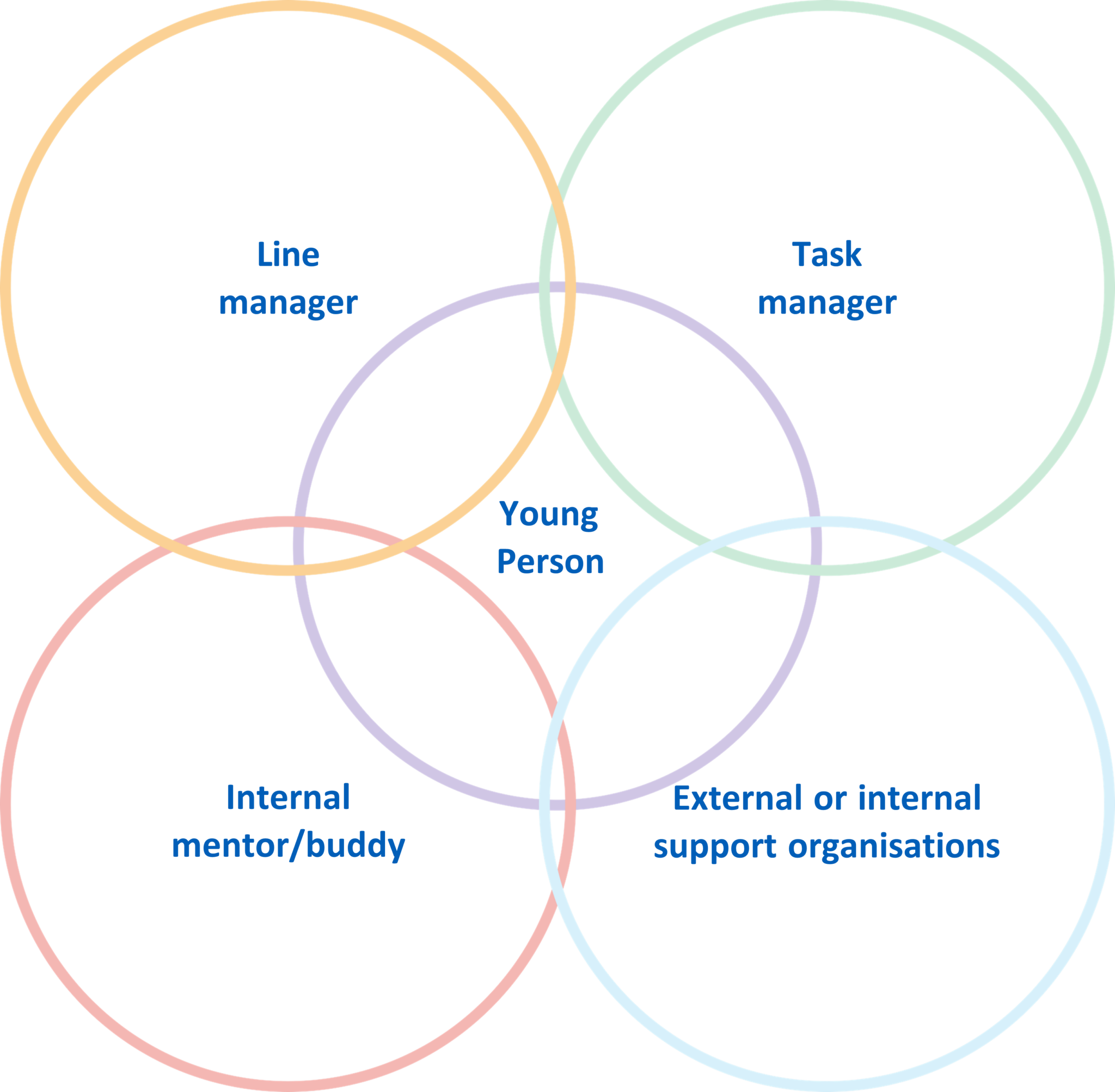
In NHS Birmingham and Solihull ICB, where James started his career, they've established a consistent support system with representatives who can deliver assistance and counsel on wellbeing, HR matters, recruitment, and EDI initiatives.
The conventional NHS recruitment process—structured and potentially intimidating—has been carefully modified. Job advertisements now emphasize personal qualities rather than extensive qualifications. Application procedures have been redesigned to address the specific obstacles care leavers might encounter—from lacking professional references to having limited internet access.
Possibly most crucially, the Programme acknowledges that starting a job can create specific difficulties for care leavers who may be handling self-sufficiency without the support of parental assistance. Concerns like commuting fees, personal documentation, and financial services—considered standard by many—can become significant barriers.
The beauty of the Programme lies in its attention to detail—from explaining payslip deductions to offering travel loans until that critical first wage disbursement. Even ostensibly trivial elements like rest periods and professional behavior are thoughtfully covered.
For James, whose professional path has "revolutionized" his life, the Programme delivered more than employment. It offered him a feeling of connection—that ineffable quality that grows when someone is appreciated not despite their background but because their particular journey improves the institution.
"Working for the NHS isn't just about doctors and nurses," James notes, his expression revealing the quiet pride of someone who has found his place. "It's about a collective of different jobs and roles, a family of people who genuinely care."
The NHS Universal Family Programme embodies more than an job scheme. It stands as a bold declaration that organizations can adapt to include those who have experienced life differently. In doing so, they not only alter individual futures but enhance their operations through the distinct viewpoints that care leavers contribute.
As James navigates his workplace, his presence silently testifies that with the right help, care leavers can flourish in environments once thought inaccessible. The support that the NHS has offered through this Programme represents not charity but appreciation of hidden abilities and the profound truth that all people merit a community that champions their success.