

The voluntary transfer of a title deed by the customer to the lending institution in order to satisfy a defaulting loan (consequently avoiding foreclosure proceedings). Also described as "providing back the secrets" or Jingle Mail.
Putting 'Deed in Lieu of Foreclosure' in Context

The Situation:
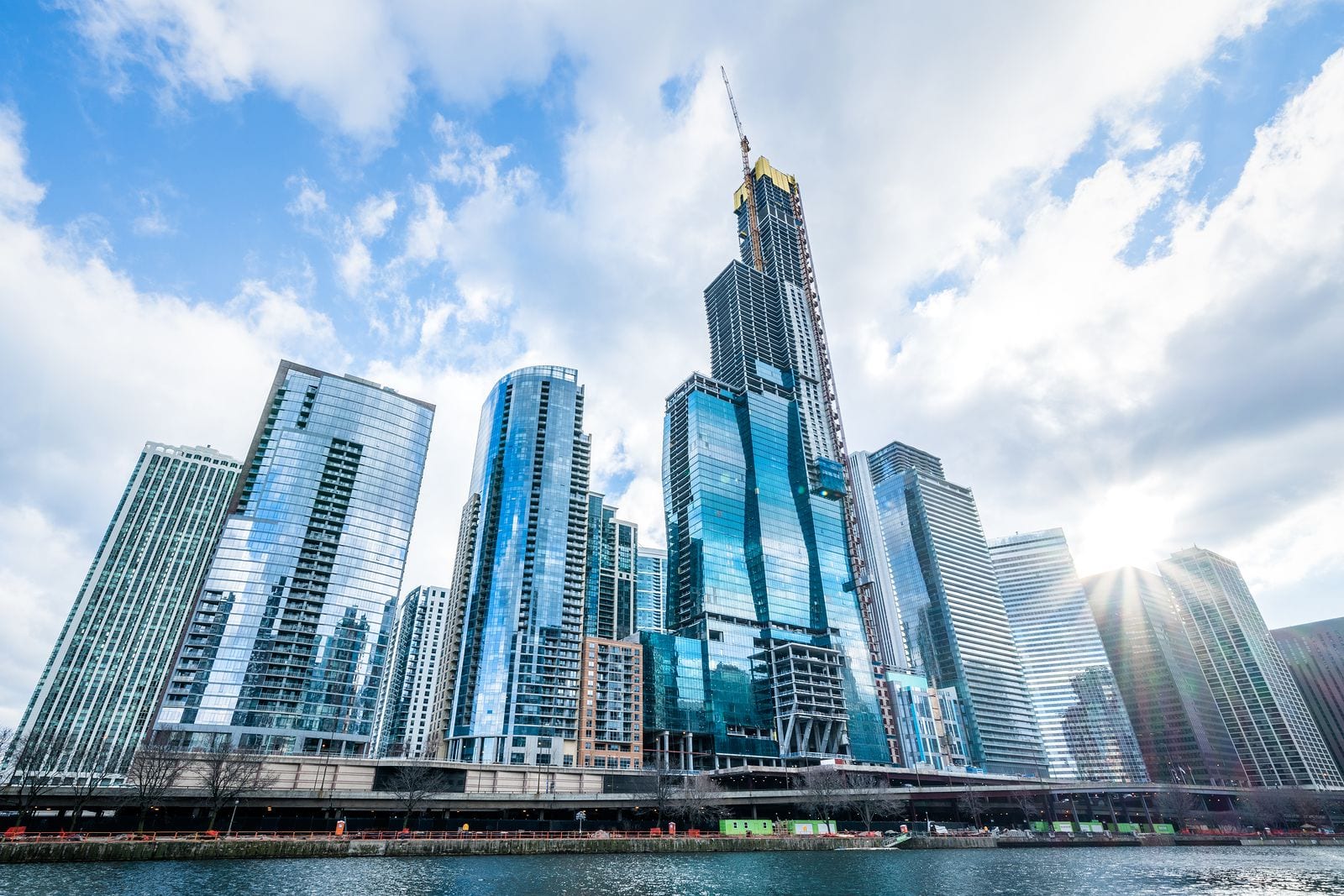
Coastal Pacific Life Insurance Company (Coast-Pac Life), a nationwide life insurance business, supplied a $150 million senior mortgage loan on Montgomery Tower, a 400,000 square foot Class A workplace structure located in San Francisco's Financial District. The loan was stemmed in 2018, a number of years prior to the COVID-19 pandemic, when the office market was strong, job rates were low, and the structure was fully leased. The set rate of interest of 4.25% resulted in annual interest-only financial obligation service payments of $6.375 million
However, by 2023, the market had considerably altered. The pandemic accelerated the trend of remote work, and as tenants' leases turned up for renewal, many picked to downsize or not renew at all. Montgomery Tower, when totally leased, was now 40% vacant. The structure's Net Operating Income (NOI) dropped to $3.8 million, far below the level needed to service the debt.
The debtor, a well-known regional designer, had actually attempted various techniques to lease up the uninhabited space, consisting of offering tenant enhancement bundles and lease concessions. Despite their efforts, the wider market conditions continued to work against them. With mounting operating losses and no capability to cover the loan's debt service, the debtor decided they might no longer keep the building or the loan.
The Borrower's Proposal:
Rather than defaulting and going through a drawn-out foreclosure procedure, the customer approached Coast-Pac Life with a proposal: a Deed in Lieu of Foreclosure. By voluntarily moving the residential or commercial property's title to the lending institution, the borrower would efficiently "return the secrets," fulfilling their responsibilities under the loan without going through additional legal action or personal liability due to the non-recourse nature of the loan.
Given that the loan was structured as non-recourse, Coast-Pac Life had no legal recourse versus the debtor's other assets. The building itself served as the sole security. Facing the reality that the residential or commercial property was now worth less than the exceptional loan balance, the customer believed that a deed-in-lieu would be the cleanest and least contentious exit from the offer.
The Lender's Consideration:
Coast-Pac Life examined the circumstance. Foreclosure would be a time-consuming and pricey process, potentially additional harming the value of the property. With the San Francisco office market continuing to struggle, time was of the essence. Accepting the deed-in-lieu would permit the life insurance coverage company to assume ownership of Montgomery Tower right away, giving them more control over the property's future.
Although they would now own a distressed residential or commercial property, Coast-Pac Life identified that taking control of the residential or commercial property straight was more suitable to waiting for foreclosure proceedings to play out. This choice permitted them to begin preparing for rearranging or offering the residential or commercial property right away, avoiding more wear and tear in its worth.
Financial Context:
Original Loan Balance: $150 million
Annual Debt Service: $6.375 million
Current NOI: $3.8 million.
Current Residential Or Commercial Property Value: Estimated at $120 million (due to market decrease)
Without the deed-in-lieu, Coast-Pac Life might have been stuck in foreclosure proceedings for a number of months or even years. During that time, the residential or commercial property's worth might have continued to drop, and they would have sustained legal charges and other costs associated with foreclosure. By accepting the deed-in-lieu, they alleviated those threats and acquired instant control of the asset.
Outcome:
Upon taking control of Montgomery Tower through the deed-in-lieu of foreclosure, Coast-Pac Life started exploring their options. They thought about renting methods to increase occupancy and evaluated prospective buyers thinking about acquiring the building at a discounted cost. While the outcome of this process remains to be seen, the deed-in-lieu permitted Coast-Pac Life to act quickly and decrease further losses.
Frequently Asked Questions about "Deed in Lieu of Foreclosure" in Commercial Realty
What is a Deed in Lieu of Foreclosure?
A Deed in Lieu of Foreclosure is the voluntary transfer of a residential or commercial property's title deed by the customer to the lender in order to satisfy a defaulting loan and avoid foreclosure procedures. It is in some cases referred to as "providing back the keys" or "Jingle Mail."
Why would a customer provide a Deed in Lieu rather of going through foreclosure?
A debtor might use a deed-in-lieu to avoid a drawn-out and expensive foreclosure procedure. In the Montgomery Tower case, the borrower could no longer cover financial obligation service and preferred to exit the deal without legal fights, especially given that the loan was non-recourse.
Why might a lender accept a Deed in Lieu of Foreclosure?
Lenders might accept a deed-in-lieu to rapidly regain control of the residential or commercial property and avoid the time and expense of foreclosure. In this case, Coast-Pac Life selected this route to instantly begin rearranging the possession, instead of await court procedures.
What made foreclosure a less favorable option for the lending institution in this example?
Foreclosure would have taken months or years, sustained legal expenses, and risked additional value loss. With a declining market and a $30 million gap in between the loan balance and residential or commercial property value, Coast-Pac Life selected immediate ownership through a deed-in-lieu.
How does non-recourse lending affect the Deed in Lieu choice?
In a non-recourse loan, the lender can not pursue the customer's other assets in a default. Since Coast-Pac Life's loan was non-recourse, the deed-in-lieu enabled the customer to exit without personal liability, making it a more appealing service for both parties.
What were the monetary conditions causing the Deed in Lieu in this circumstance?
The residential or commercial property's Net Operating Income dropped to $3.8 million, far listed below the $6.375 million annual financial obligation service. The residential or commercial property worth also decreased to $120 million, well under the $150 million loan amount-prompting the customer to use the deed-in-lieu.
What are the benefits of a Deed in Lieu for the debtor?
The customer prevents a public foreclosure, maintains track record, and gets rid of continuous losses from the residential or commercial property. It can also limit additional monetary or legal exposure, particularly in non-recourse loan circumstances.

What happens after the loan provider accepts the Deed in Lieu?
The lender ends up being the residential or commercial property owner and might rearrange, lease, or offer the property. In the Montgomery Tower example, Coast-Pac Life checked out brand-new leasing strategies and assessed possible buyers after presuming ownership.